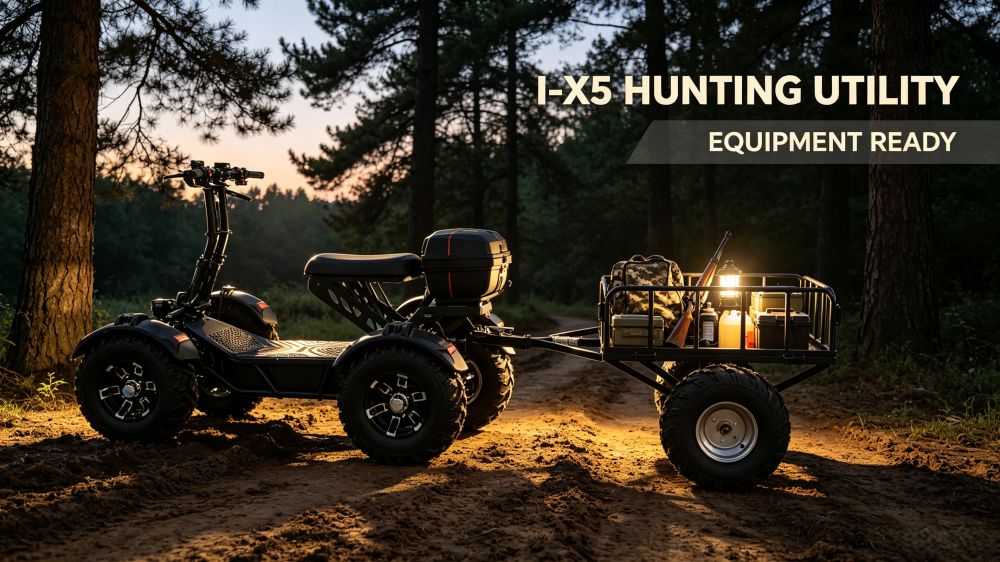
The Off-Road Revolution Is Here
Picture this: You’re tearing through a muddy trail, climbing rocky hills, and cruising across open fields — the wind in your face, adrenaline pumping, and nothing but adventure ahead. For decades, that experience belonged exclusively to loud, gas-guzzling all-terrain vehicles. But times have changed. The off-road world is going electric, and it’s not just a trend — it’s a revolution.
Today, riders face an exciting choice: stick with the tried-and-true fuel-powered ATV, or embrace the cutting-edge world of off-road electric scooter ATVs like the I-X5, I-X3, and I-F6. Both options promise thrills, freedom, and the ability to conquer tough terrain. But which one fits your lifestyle, your values, and your wallet?
Let’s break it down in plain English — no jargon, no fluff. Just the facts you need to make the best choice for your next adventure.
What Exactly Are We Talking About?
The Classic: Fuel-Powered ATV
You’ve seen them everywhere — at farms, on hunting trips, at the dunes, and on backcountry trails. Traditional fuel-powered ATVs (all-terrain vehicles) run on gasoline, typically feature 4×4 off-road capability, and have been the backbone of outdoor recreation and work for over 40 years. They’re rugged, powerful, and built to handle just about anything Mother Nature throws at them.
The New Kid on the Block: Off-Road Electric Scooter ATV
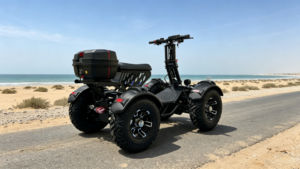
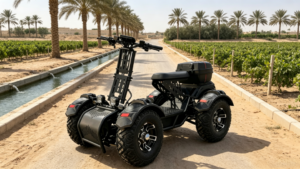
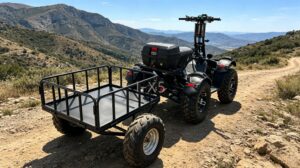
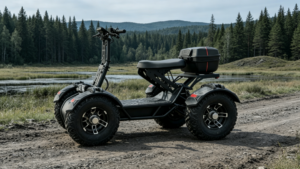
Enter the off-road electric scooter ATV — a game-changing blend of electric scooter efficiency and ATV toughness. Models like the I-X5 4×4 off-road machine and the All-terrain 4×4 off-road scooter with seat category are redefining what it means to ride. These aren’t your neighborhood electric scooters. They’re beefed-up, trail-ready beasts with serious torque, impressive range, and zero emissions.
The I-X3, I-X5, and I-F6 represent the next generation of off-road electric vehicles — compact yet capable, eco-friendly yet exhilarating.
Power & Performance: Can Electric Really Compete?
Short answer: Absolutely.
Here’s the thing most people don’t realize about electric motors — they deliver instant torque. The moment you twist the throttle on an I-X5, you get 100% of its power immediately. No lag, no revving, no waiting for the engine to catch up. That instant response is a massive advantage when you’re climbing steep inclines, navigating technical rock sections, or powering through thick mud.
Traditional fuel-powered ATVs rely on internal combustion engines. They need to build RPMs to reach peak power. While they’re undeniably strong — especially larger displacement models — that power curve isn’t as immediate or predictable as electric.
For technical trail riding, rock crawling, and precise maneuvering, the All-terrain 4×4 off-road scooter with seat design of modern electrics gives you smoother, more controlled power delivery. It’s like the difference between a light switch and a dimmer — electric is on when you need it, off when you don’t.
Winner for instant power: Off-road electric scooter ATV
Winner for sustained high-speed power: Traditional fuel-powered ATV (slight edge for now)
Range & Endurance: How Far Can You Go?
This is where traditional ATVs have historically held the advantage. A full tank of gas can take you 100+ miles depending on the model and terrain. Refueling takes five minutes at any gas station.
Electric ATVs like the I-X5 and I-F6 have made huge strides, but range anxiety is still real. Most quality electric off-road scooters offer 40–80 miles of range per charge depending on terrain, rider weight, and riding style. Charging takes several hours.
But here’s the perspective shift: How do you actually use your ATV?
If you’re a weekend warrior hitting local trails for 3–4 hours, an electric model is more than sufficient. If you’re planning multi-day backcountry expeditions with no access to electricity, gas still reigns supreme.
The sweet spot? Many I-X3 and I-X5 owners charge overnight at home and enjoy a full day of riding without worry. Plus, charging infrastructure is expanding rapidly, and portable solar charging solutions are becoming viable for remote adventures.
Winner for long-distance expeditions: Traditional fuel-powered ATV
Winner for typical recreational use: It’s a tie — know your needs
Cost of Ownership: Your Wallet Will Thank You (Eventually)
Let’s talk money, because this is where electric ATVs like the I-X5 4×4 off-road models start looking really attractive.
Upfront Cost
Electric off-road vehicles sometimes carry a higher sticker price than entry-level gas ATVs. Premium models like the I-F6 represent an investment. However, budget-friendly options like the I-X3 are increasingly competitive, and prices continue to drop as battery technology improves.
Fuel Costs
Here’s where the math gets fun. Electricity costs a fraction of gasoline. Depending on your local rates, charging an I-X5 might cost $1–$3 for a full charge. Filling a gas ATV tank? Easily $15–$40 depending on tank size and fuel prices.
If you ride regularly, those savings add up fast. Over a year of weekend riding, you could save hundreds — even thousands — of dollars going electric.
Maintenance
This is the big one. Traditional fuel-powered ATVs have engines with hundreds of moving parts: pistons, valves, spark plugs, oil filters, fuel injectors, carburetors, exhaust systems… the list goes on. Regular maintenance is mandatory — oil changes, air filter replacements, valve adjustments, and more.
Electric ATVs like the All-terrain 4×4 off-road scooter with seat models? They have a fraction of the moving parts. No oil changes. No spark plugs. No exhaust system. No air filters. Brake pads and tires are your primary wear items. The electric motor itself is virtually maintenance-free.
Over the lifetime of the vehicle, maintenance savings can be substantial — often thousands of dollars.
Winner for long-term value: Off-road electric scooter ATV
Noise & Environmental Impact: Ride Quiet, Ride Clean
The Sound of Silence
One of the most underrated benefits of electric ATVs is how quiet they are. The I-X5 glides over trails with minimal sound — just the crunch of tires on dirt and the whisper of wind.
Why does this matter? First, it’s simply more pleasant. You can actually hear nature — birds, streams, the rustle of leaves. Second, noise pollution is a real concern in many riding areas. Electric ATVs open up opportunities to ride in places where noise restrictions limit gas-powered machines. Plus, you won’t annoy your neighbors (or yourself) with engine roar.
Traditional fuel-powered ATVs are loud — often 85–100 decibels. Hearing protection is recommended, and that engine drone can be fatiguing on long rides.
Environmental Footprint
Let’s be real — off-roading isn’t about saving the planet, it’s about enjoying it. But that doesn’t mean we can’t be responsible stewards.
Electric ATVs produce zero direct emissions. No exhaust fumes, no carbon monoxide, no hydrocarbons. If your electricity comes from renewable sources, your rides are virtually carbon-neutral. Even with standard grid electricity, the environmental impact is significantly lower than gasoline.
Traditional ATVs emit pollutants and contribute to air quality issues, especially in sensitive natural areas. As environmental regulations tighten, electric options future-proof your riding hobby.
Winner for peaceful, responsible riding: Off-road electric scooter ATV
Terrain Capability: Can Electric Handle the Rough Stuff?
This is the question every serious rider asks: “Yeah, but can it actually handle real off-roading?”
The answer, especially with modern models like the I-X5 and I-F6, is a resounding yes.
4×4 Off-Road Capability
The I-X5 4×4 off-road designation isn’t marketing fluff — it’s genuine four-wheel-drive capability. These machines feature robust electric motors driving all four wheels, delivering traction in mud, sand, snow, and rocks. The All-terrain 4×4 off-road scooter with seat category is specifically engineered for challenging conditions.
Modern electric ATVs feature:
- High ground clearance for clearing obstacles
- Aggressive all-terrain tires for grip in loose conditions
- Waterproofing and sealed components for creek crossings and wet weather
- Low center of gravity (thanks to battery placement) for stability on side hills
- Regenerative braking that helps control descents and extends range
The I-X3 offers nimble handling for tight trails, while the I-F6 brings heavy-duty capability for the most demanding riders.
Weight Advantage
Here’s a surprise benefit: electric ATVs are often lighter than their gas counterparts. That lower weight, combined with the low center of gravity from battery placement, makes them surprisingly agile. They float better in mud, are easier to maneuver in technical sections, and less likely to get stuck.
Winner for technical terrain: It’s a tie — both handle the rough stuff admirably
Convenience & Daily Use
Starting Up
Electric: Turn the key, twist the throttle, go. No choke, no warm-up, no pulling a starter cord in cold weather. The I-X5 is ready the instant you are.
Gas: Choke it, start it, let it warm up. Carbureted models can be finicky in cold weather. It’s not difficult, but it’s an extra step.
Storage & Transport
Electric ATVs are often more compact. The I-X3 fits easily in a standard truck bed or trailer. No gas fumes in your garage, no fuel stabilizer needed for winter storage. Just charge the battery and store it.
Riding in Sensitive Areas
More trails, parks, and private lands are welcoming electric vehicles while restricting gas-powered ones. The quiet, clean nature of models like the I-F6 opens doors that are closing for traditional ATVs.
Winner for convenience: Off-road electric scooter ATV
The Fun Factor: Which One Puts the Biggest Smile on Your Face?
At the end of the day, this is what matters most. Which machine delivers the most joy?
Electric Thrill
The instant torque of an I-X5 is genuinely addictive. The smooth, silent acceleration feels like something from the future. There’s a unique satisfaction in floating over obstacles with nothing but tire noise and the hum of electric power. It feels refined, modern, and surprisingly capable.
Gas-Powered Soul
Traditional ATVs have character. The engine note, the vibration, the mechanical feedback — there’s a raw, visceral quality that many riders love. Shifting gears (on manual models), hearing the engine work, smelling the exhaust — it’s a sensory experience that electric can’t fully replicate.
Winner for pure fun: Subjective — both deliver massive grins, just differently
Who Should Choose What?
Choose an Off-Road Electric Scooter ATV (I-X3, I-X5, I-F6) If:
- You ride locally and can charge at home
- You want lower operating and maintenance costs
- You value quiet, peaceful rides
- You care about environmental impact
- You love instant torque and smooth power delivery
- You want access to noise-restricted trails
- You appreciate modern technology and convenience
- You use your vehicle for light work or recreation
The I-X3 is perfect for entry-level riders and tight trail enthusiasts. The I-X5 4×4 off-road model hits the sweet spot for most recreational riders. The I-F6 is for those who want maximum capability and range in an electric package.
Choose a Traditional Fuel-Powered ATV If:
- You regularly ride long distances far from charging infrastructure
- You need maximum range for hunting, ranch work, or exploration
- You love the traditional ATV experience — sound, vibration, mechanical feel
- You want the widest selection of models and aftermarket parts
- You need extreme towing capacity or sustained high-speed performance
- You don’t have reliable access to electricity for charging
The Future Is Electric (But Gas Isn’t Going Anywhere Yet)
Here’s the honest truth: the off-road world is big enough for both. Electric ATVs like the All-terrain 4×4 off-road scooter with seat models represent the future — they’re cleaner, quieter, cheaper to run, and incredibly capable. As battery technology improves, their range and performance will only get better.
But traditional fuel-powered ATVs aren’t obsolete. They remain the right choice for specific use cases — long expeditions, extreme workloads, and riders who simply love the classic experience.
The I-X5, I-X3, and I-F6 prove that electric off-roading isn’t a compromise — it’s an evolution. These machines aren’t trying to be gas ATVs with batteries; they’re forging their own path, offering a distinct riding experience that many find superior.
Final Thoughts: Trust Your Gut
Choosing between an off-road electric scooter ATV and a traditional fuel-powered ATV isn’t about picking the “better” machine — it’s about picking the right machine for you.
If you crave the instant torque, whisper-quiet trails, low maintenance, and modern vibe of electric, the I-X5 or I-F6 will blow your mind. If you need the range, the roar, and the proven reliability of gas, there’s no shame in sticking with tradition.
Either way, you’re choosing adventure. You’re choosing fresh air, muddy tires, and memories that last a lifetime. And that’s a win no matter what powers your ride.
So get out there. Twist that throttle — electric or gas — and find your next great trail. The outdoors is calling, and now you’ve got the knowledge to answer with the perfect machine.
Happy trails, and ride on!