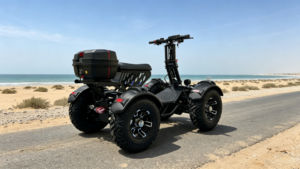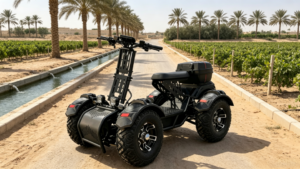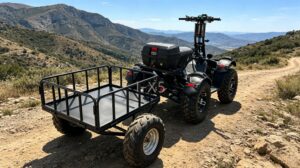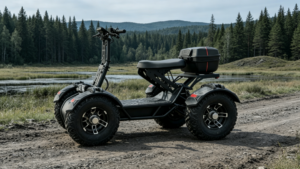
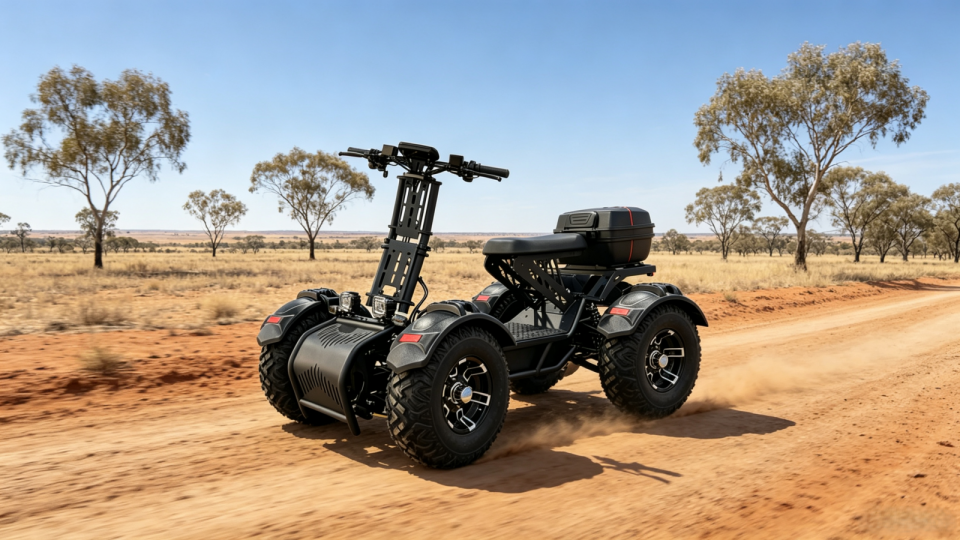
There’s nothing quite like the rush of tearing through muddy trails, climbing rocky hills, and carving through open fields on your off-road electric scooter ATV. These rugged machines combine the thrill of traditional ATVs with the clean, quiet power of electric motors—no gas, no fumes, just pure adventure. But here’s the thing: the heart of every electric ATV is its battery, and how you treat that battery determines whether your ride lasts for years or leaves you stranded halfway up a mountain.
The good news? Extending your battery’s lifespan isn’t rocket science. With a few simple habits, you can keep your off-road electric scooter ATV running strong season after season. Let’s dive into seven practical, no-nonsense tips that’ll help you get the most out of your investment.
1. Master the 20–80 Rule: Charge Smart, Not Hard
One of the biggest mistakes riders make is treating their battery like a smartphone—plugging it in overnight and forgetting about it, or worse, running it down to zero before charging. For lithium-ion and lithium iron phosphate (LiFePO₄) batteries commonly found in modern electric ATVs, the sweet spot is keeping your charge level between 20% and 80%.
Think of it like this: your battery has a limited number of charge cycles, and every time you push it to the extremes—either fully drained or maxed out at 100%—you’re adding stress to the internal chemistry. Research from the University of Michigan shows that minimizing the time a battery spends at either 100% or 0% charge significantly reduces degradation.
For everyday trail rides, aim to plug in when you hit around 20–30% remaining charge, and unplug when you reach 80%. If you’re heading out for a long adventure and need that full 100%, that’s totally fine—just don’t make it a daily habit. Your battery will thank you with extra years of reliable service.
2. Use the Right Charger—Every Single Time
This might sound obvious, but you’d be surprised how many riders grab whatever charger is handy. Here’s the deal: not all chargers are created equal, and using the wrong one can damage your battery or even create safety hazards.
Most off-road electric scooter ATVs come with a manufacturer-specified charger designed for your exact battery voltage and chemistry. For example, a 60V LiFePO₄ battery system typically requires a 67.2V charger. Using a generic charger—or worse, a lead-acid charger on a lithium battery—can lead to undercharging, overcharging, or incomplete charging cycles that wear down your cells prematurely.
If you ever need a replacement charger, always match the voltage, amperage, and battery type exactly. When in doubt, check your owner’s manual or contact the manufacturer. A $30 generic charger isn’t worth risking a $1,000 battery replacement.
3. Keep It Cool (But Not Freezing)
Temperature is the silent killer of batteries. Extreme heat accelerates chemical reactions inside the battery, causing faster degradation of components like the anode, cathode, and electrolyte. On the flip side, freezing temperatures can reduce your battery’s capacity and make charging dangerous.
Here’s what that means in practical terms:
- After a ride, let your battery cool down for 15–30 minutes before plugging it in. Charging a hot battery is like running a marathon and then jumping into a sauna—your body (and the battery) needs time to recover.
- Store your ATV indoors or in a shaded, ventilated area. Garages that hit 100°F+ in summer are battery graveyards.
- In cold weather, bring the battery indoors if it’s removable, or at least keep the ATV in an insulated space. If your battery is integrated, try to charge in a temperature-controlled environment.
The ideal charging temperature for most lithium batteries is between 0°C and 45°C (32°F to 113°F). Stick to that range, and your battery will stay happy.
4. Don’t Let It Sit Dead: Storage Best Practices
Life happens. Maybe winter rolls in, or work gets busy, and your off-road electric scooter ATV sits in the garage for weeks or months. Here’s the golden rule: never store a fully discharged battery.
When a battery sits at 0% charge, it enters a state called deep discharge, which can cause irreversible chemical damage. For lithium batteries, storing at around 50% charge is ideal. For lead-acid batteries, keeping them topped off prevents sulfation—a buildup of lead sulfate crystals that kills capacity.
If you’re storing for more than a month:
- Charge to 50–60% for lithium batteries, or fully charge for lead-acid/AGM types.
- Disconnect the battery or use a battery disconnect switch to prevent parasitic drain from onboard electronics.
- Check the charge level every 3 months and top off if needed.
A little attention during storage goes a long way toward preventing that heartbreaking “click… click… nothing” moment when you’re itching to ride again.
5. Keep It Clean: Terminal Care and Corrosion Prevention
Off-road riding means mud, dust, water, and grime—and all of that loves to find its way onto your battery terminals. Corroded terminals create poor electrical connections, which means your battery works harder to deliver power, generates more heat, and wears out faster.
Every few rides, pop open the battery compartment and give the terminals a quick inspection. If you see any white, green, or bluish buildup, mix a tablespoon of baking soda with a cup of water, grab an old toothbrush or wire brush, and scrub those terminals clean. Dry everything thoroughly afterward.
For extra protection, apply a thin layer of dielectric grease to the terminals after cleaning. This creates a moisture barrier that keeps corrosion at bay, especially important if you’re riding through creeks or in humid climates.
It’s a five-minute job that can add months—or even years—to your battery’s life.
6. Avoid Deep Discharges on the Trail
We’ve all been there: you’re having so much fun on the trail that you ignore the battery indicator, pushing your ATV harder and harder until the power cuts out. Not only is this frustrating, but it’s also one of the fastest ways to shorten your battery’s lifespan.
Deep discharges—dropping below 20% charge—put enormous stress on battery cells. For lead-acid batteries, this causes sulfation. For lithium batteries, it can trigger the Battery Management System (BMS) to shut down power to protect the cells, but repeated deep drains still cause cumulative damage.
Modern electric ATVs often come with a Smart BMS that monitors cell voltage, temperature, and current in real time. Pay attention to those dashboard warnings. When you see the battery indicator drop to the last bar or two, start heading back. Treat 20% as your “fuel light”—it’s time to find the charger, not push for one more hill.
7. Invest in a Battery Tender for Long-Term Health
If you’re serious about extending your battery’s life, a battery tender (also called a smart maintainer or trickle charger) is one of the best investments you can make. These devices provide a slow, steady stream of power that keeps your battery at optimal voltage without overcharging.
Unlike old-school “dumb” chargers that keep pumping power even when the battery is full, smart tenders automatically switch to maintenance mode once charging is complete. This prevents the heat buildup and plate damage that come from overcharging.
For riders in seasonal climates—think snowy winters or scorching summers—a tender is especially valuable. Hook it up when you park your off-road electric scooter ATV for the off-season, and you’ll come back to a battery that’s fresh, fully charged, and ready to rip.
One rider in Calgary reported that after using a battery tender for three consecutive winters, they avoided premature battery replacements entirely. That’s real-world proof that a small upfront investment pays off big time.
Bonus Tip: Know Your Battery Type
Before wrapping up, it’s worth mentioning that different battery chemistries have different needs. Most off-road electric scooter ATVs today use either lithium iron phosphate (LiFePO₄) or sealed lead-acid/AGM batteries. Here’s a quick cheat sheet:
| Battery Type | Typical Lifespan | Best For | Key Maintenance |
|---|---|---|---|
| Flooded Lead-Acid | 2–3 years | Budget riders | Distilled water refills, frequent charging |
| AGM (Absorbed Glass Mat) | 3–5 years | Vibration-heavy off-roading | Maintenance-free, but keep charged |
| Lithium Iron Phosphate (LiFePO₄) | 8–10 years | Performance & longevity | Use lithium-specific charger, avoid freezing |
If you’re still running an older lead-acid setup, upgrading to lithium might be worth considering for the weight savings, faster charging, and dramatically longer lifespan. Just remember: lithium batteries need lithium-specific chargers, and they don’t love sub-zero temperatures.
Wrapping Up: Small Habits, Big Payoffs
Your off-road electric scooter ATV is built for adventure, but its battery needs a little TLC to keep delivering those adrenaline-pumping rides. The beautiful thing is that none of these tips are complicated or time-consuming. Charge smart, keep it clean, mind the temperature, and give it some attention during downtime.
Think of your battery like a loyal trail dog—it’ll stick with you for the long haul if you treat it right. Follow these seven tips, and you’ll spend less time worrying about power levels and more time doing what you love: exploring the wild, conquering new terrain, and feeling the freedom that only an electric ATV can deliver.
Now get out there and ride. Your battery’s ready when you are.