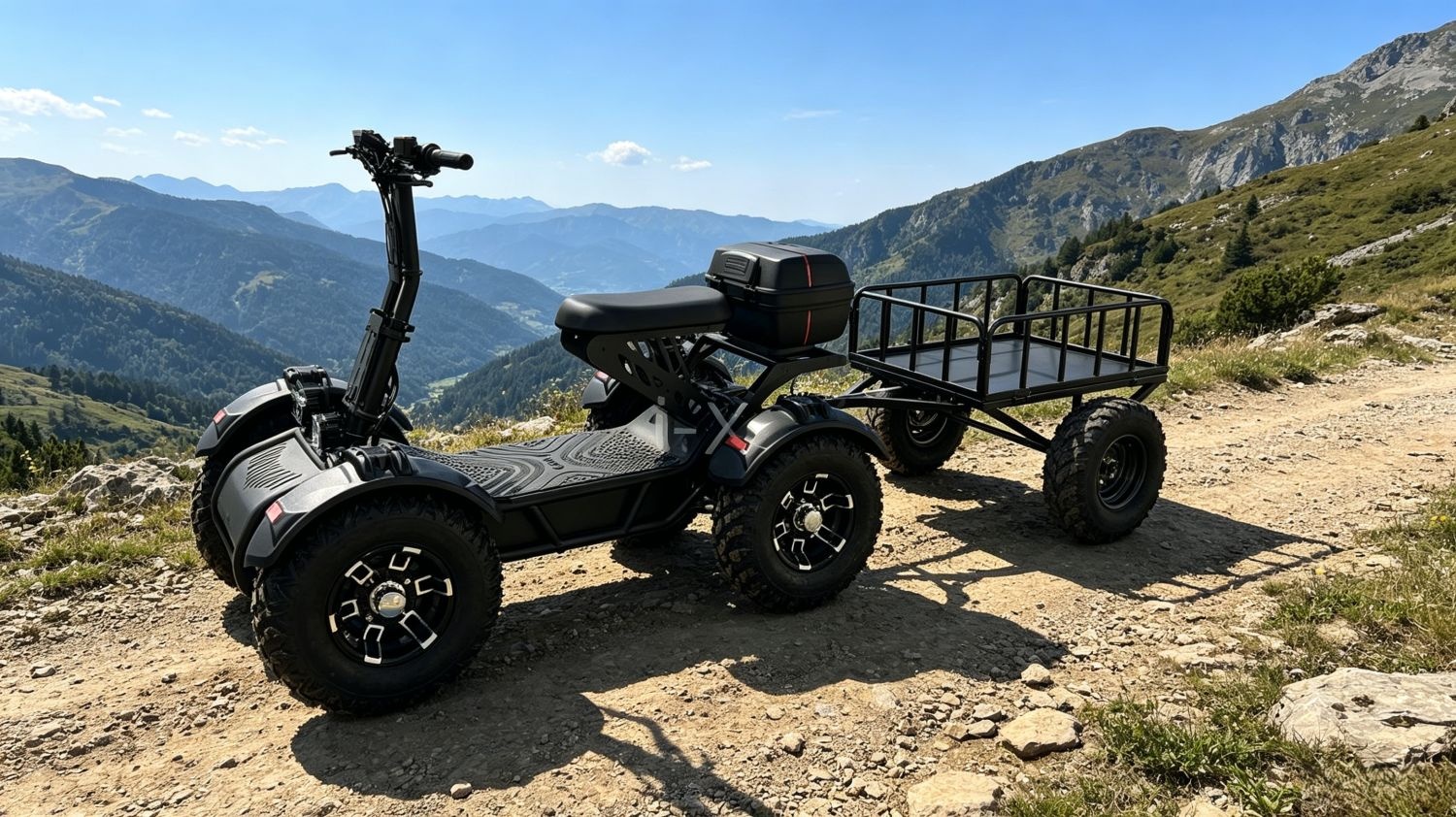
Your Guide to Making a Smart, Exciting Purchase
So, you’ve decided to take the plunge. Perhaps you’ve seen one gliding silently across a trail, or a mate won’t stop raving about theirs. Maybe you’re simply tired of the noise, the fumes, and the endless trips to the petrol station. Whatever brought you here, welcome. Choosing your first electric ATV scooter is a brilliant decision—and with a bit of guidance, it can be a thoroughly enjoyable one too.
This isn’t about baffling you with jargon or pushing you towards the most expensive model on the market. It’s about helping you find the right machine for you. Let’s get started.
Understanding What an Electric ATV Scooter Actually Is
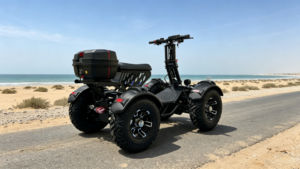
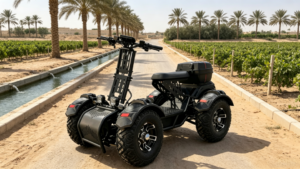
Before you open your wallet, it helps to know precisely what you’re buying. An electric ATV scooter sits somewhere between a traditional petrol-powered all-terrain vehicle and an electric scooter. It combines the rugged, four-wheeled stability of an ATV with the clean, quiet efficiency of electric power.
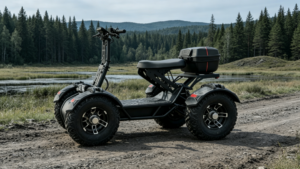
Think of it as a compact, battery-driven workhorse that can handle grass, gravel, dirt paths, and light off-road terrain—without the roar of an engine or the smell of exhaust. They’re used for everything from farm work and property maintenance to recreational trail riding and campus transport.
The key difference from a standard electric scooter? Four wheels, proper suspension, and genuine off-road capability. This isn’t a toy for the pavement. It’s a vehicle built for adventure.
Step One: Be Honest About How You’ll Use It
This is the most important question, and surprisingly, many first-time buyers skip it. Where will you actually ride this thing?
For the Weekend Explorer
If you’re after weekend fun—trails, fields, light woodland tracks—your priorities are ride comfort, decent range, and good handling. You don’t need industrial-grade towing capacity, but you do want something that puts a smile on your face.
For the Smallholder or Property Owner
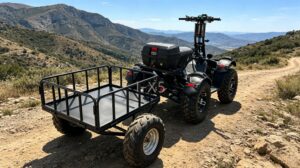
Got a bit of land to manage? You’ll want reliability, cargo capacity, and enough torque to pull a small trailer. Your electric ATV scooter becomes a tool as much as a toy, so durability matters enormously.
For the Commuter or Campus Rider
Using it for practical transport? Range becomes critical. You’ll also want road-legal lighting, indicators, and perhaps even registration capability—depending on your local regulations.
For the Tour Operator or Commercial User
Running a business? You’re looking at total cost of ownership, charging infrastructure, fleet management features, and after-sales support. The purchase price is just the beginning of your calculation.
Be honest with yourself. A vehicle perfect for weekend trail riding might disappoint as a daily workhorse, and vice versa.
Step Two: Range and Battery Life
Range anxiety isn’t just for Tesla drivers. It’s a genuine concern for electric ATV scooter buyers too.
How Far Do You Actually Need to Go?
Manufacturers love quoting maximum range figures, but these are typically achieved in ideal conditions—flat terrain, moderate speeds, light rider, no cargo. Real-world range is usually 20–30% less.
Calculate your typical daily distance, then add a comfortable buffer. If your longest regular trip is 15 miles, don’t buy a scooter with a 16-mile range. Aim for at least double your typical requirement. Batteries degrade slightly over time, and you’ll want that margin for peace of mind.
Battery Type Matters
Most quality electric ATV scooters use lithium-ion batteries. They’re lighter, last longer, and charge more efficiently than older lead-acid alternatives. Within lithium-ion, there are variations:
- Standard lithium-ion: Good balance of cost and performance
- Lithium iron phosphate (LiFePO4): Exceptionally long lifespan, excellent safety, handles heat well—ideal for warmer climates
- High-density variants: Maximum range in minimum space, but typically pricier
Ask specifically about battery chemistry. It’s not the most exciting conversation, but it matters enormously for longevity.
Charging Practicalities
How long does a full charge take? Can you charge from a standard household socket, or do you need special equipment? Is the battery removable for indoor charging, or must the whole vehicle be parked near a socket?
For property owners with a garage or shed, these questions are minor. For flat-dwellers or those without dedicated parking, they become deal-breakers.
Step Three: Power and Performance
Electric motors are rated differently from petrol engines, so don’t get hung up on comparing horsepower figures directly.
Motor Placement
- Hub motors (built into the wheels): Simple, low maintenance, good for lighter use
- Mid-drive motors (mounted centrally): Better weight distribution, superior torque, ideal for hilly terrain and heavier loads
For genuine off-road use or regular hill climbing, mid-drive is worth the extra investment.
Torque Is Your Friend
Electric motors deliver instant torque—the twisting force that gets you moving. This is particularly valuable on loose surfaces, inclines, or when pulling loads. A lower-wattage motor with excellent torque can outperform a higher-wattage motor with poor torque delivery.
Don’t just look at the kilowatt rating. Ask about torque figures and, better still, arrange a test ride.
Speed: How Fast Is Fast Enough?
Most electric ATV scooters top out between 15 and 30 mph. That might sound modest, but on rough terrain, it feels plenty quick. More importantly, higher speeds drain batteries faster and increase wear on components.
Consider whether you genuinely need 30 mph, or whether 20 mph with better range and stability suits your needs. For many riders, the answer is the latter.
Step Four: Build Quality and Durability
An electric ATV scooter isn’t a smartphone. You can’t upgrade it every two years. You want something that lasts.
Frame Construction
Look for robust steel or aluminium frames. Check weld quality—clean, consistent welds suggest proper manufacturing standards. Avoid anything that feels flimsy or rattly.
Suspension and Tyres
Proper off-road capability requires proper suspension. At minimum, look for:
- Front suspension forks with decent travel
- Rear suspension (either dual shock absorbers or a mono-shock system)
- All-terrain tyres with aggressive tread patterns
Test the suspension by pressing down on the vehicle—it should compress smoothly and rebound without bouncing excessively.
Water and Dust Resistance
The IP rating tells you how well sealed the electrical components are against water and dust. For outdoor use, IP65 or higher is advisable. IP54 is acceptable for fair-weather riding, but don’t expect it to handle stream crossings or heavy mud.
Braking System
Disc brakes are standard on quality machines—preferably hydraulic rather than cable-operated, as they offer better modulation and require less maintenance. Check that the brakes feel progressive and powerful, not grabby or vague.
Step Five: Safety Features
Fun is brilliant. Safe fun is better.
Stability and Design
Four wheels inherently offer more stability than two, but design matters. A wider track (distance between wheels) provides better stability on slopes. A lower centre of gravity improves cornering confidence. Look for balanced proportions, not just aggressive styling.
Lighting
Even if you don’t plan night riding, proper lighting is essential for visibility. LED headlights, tail lights, and brake lights should be standard. Indicators are valuable if you’ll use roads at all.
Speed Limiting and Modes
Many electric ATV scooters offer multiple riding modes—Eco, Normal, Sport, for instance. Beginner modes that limit speed and acceleration are excellent for building confidence. Parental controls or PIN-locked speed limiters are invaluable if younger family members might ride.
Safety Certifications
Has the vehicle been tested to relevant safety standards? CE marking, UL certification, or equivalent national approvals provide reassurance that the machine meets minimum safety requirements.
Step Six: Practical Considerations
Beyond the machine itself, several practical factors deserve attention.
Weight and Portability
Electric ATV scooters aren’t light. Typical weights range from 80 to 150 kilograms. Can you manoeuvre it in your storage space? Will you need a trailer for transport, or does it fit in a van? Some models offer folding handlebars or removable components to reduce bulk.
Storage Space
You’ll need somewhere dry to store it, ideally with charging access. A garden shed works; leaving it permanently exposed to the elements does not. Consider whether your current storage arrangements are adequate.
Local Regulations
This varies enormously by country and even by region. Some electric ATV scooters can be registered for road use; others are strictly off-road. Speed and power limits may determine classification. Insurance requirements differ. Do your homework before purchase—a brilliant deal becomes rather less brilliant if you can’t legally ride it where you intended.
Warranty and After-Sales Support
A two-year warranty is reasonable; three or more is excellent. But warranty is only as good as the company backing it. Research the manufacturer’s reputation. Are spare parts readily available? Is there a local dealer or service centre? Online-only brands with no physical presence can be risky for mechanical products.
Step Seven: Budget Realistically
Prices for electric ATV scooters vary enormously—from under £2,000 for basic models to well over £10,000 for premium machines. Here’s how to think about value:
Entry-Level (£2000–£4,000)
Suitable for light recreational use on gentle terrain. Expect smaller batteries, modest power, and simpler construction. Fine for occasional weekend fun, but don’t expect heavy-duty performance.
Mid-Range (£4,000–£6,000)
The sweet spot for most buyers. Good battery capacity, proper suspension, reliable motors, and decent build quality. Suitable for regular use, moderate off-roading, and light work duties.
Premium (£6,000+)
Top-tier batteries, powerful motors, sophisticated suspension, and excellent build quality. Often include features like regenerative braking, smartphone connectivity, and premium components. Worth it for heavy users, commercial applications, or those who simply want the best.
Remember the Extras
Helmet, gloves, protective clothing, lock, insurance, potential trailer, maintenance tools—these add up. Budget 10–15% above the vehicle price for essential accessories.
Step Eight: Test Ride Before You Buy
Specifications tell you something. Reviews tell you more. But nothing replaces actually riding the thing.
A proper test ride should include:
- Acceleration from standstill: Smooth and predictable, not jerky
- Braking: Progressive and powerful, with no pulling to one side
- Cornering: Stable and confidence-inspiring
- Rough terrain: Suspension absorbs bumps without bottoming out
- Hill climbing: Adequate power for your typical gradients
- Noise levels: Acceptably quiet (a key advantage of electric)
Pay attention to ergonomics too. Can you reach the controls comfortably? Is the seat position natural? Do your feet rest securely? An uncomfortable ride becomes tiresome quickly.
If a dealer won’t offer a test ride, consider that a red flag. Reputable sellers welcome the opportunity to demonstrate their products.
Red Flags to Avoid
Not every electric ATV scooter on the market is worth your money. Watch for these warning signs:
- Vague specifications: If the seller can’t tell you battery capacity, motor power, or weight, walk away
- No warranty or absurdly short ones: Suggests the manufacturer lacks confidence
- Suspiciously cheap prices: Quality components cost money. If it seems too good to be true, it probably is
- No local support: Buying direct from an overseas warehouse might save money initially, but getting spare parts or service becomes a nightmare
- Poor online presence or reviews: Established brands have track records. Mystery brands have risks
Making Your Decision
By now, you’ve done your homework. You know your intended use, your range requirements, your performance needs, and your budget. You’ve test-ridden a few options. You’ve checked warranties and local regulations.
Here’s the final piece of advice: trust your instincts. The right electric ATV scooter should feel right. It should excite you. You should look forward to riding it. If a particular model checks all the rational boxes but leaves you cold, keep looking. This is a purchase you’ll live with for years. A bit of patience now prevents regret later.
The Joy of Electric
Choosing your first electric ATV scooter is more than a transaction. It’s an entry into a quieter, cleaner, surprisingly thrilling world of outdoor mobility. No more petrol station queues. No more oily maintenance. No more disturbing the peace of the countryside with engine roar.
Just you, the machine, and the trail ahead.
Welcome to the electric adventure. It’s rather brilliant out here.
Ride safe. Ride smart. Ride electric.