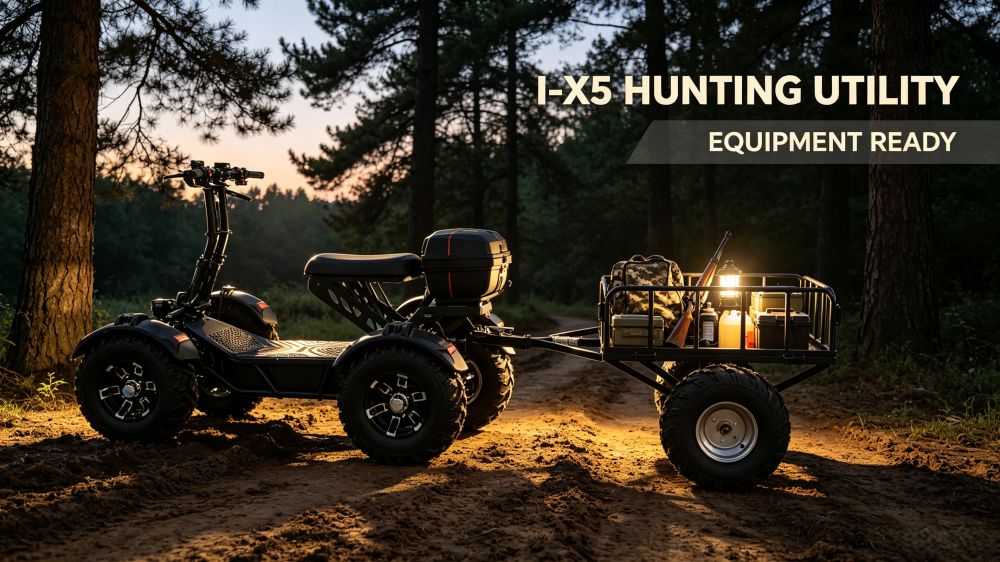
Welcome to the Ride of Your Life
Hey there! So you just got your hands on a brand new 4X4 electric ATV scooter from Edge Scooter, huh? First off—congratulations. You’re about to experience something pretty special. Whether you picked this up for weekend adventures, getting around your property, or just because it looked like a blast (spoiler: it is), I’m here to walk you through everything you need to know.
I’m going to take you through this step by step, just like a friend would. No fancy manuals, no confusing jargon. Just the real deal on how to ride your Edge Scooter like a pro from day one. Let’s roll.
Before We Even Start: Getting to Know Your Machine
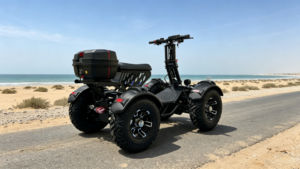
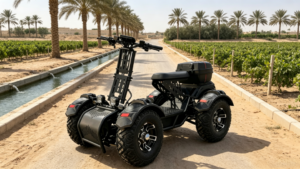
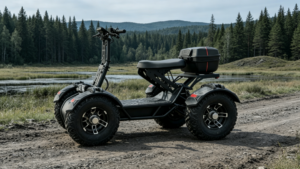
Okay, before we fire this thing up, let’s take a minute to actually look at what we’re working with. Your 4X4 electric ATV scooter isn’t a toy, but it’s not a monster truck either. It’s the sweet spot—compact enough to maneuver through tight spots, tough enough to handle real terrain.
The Basics of Your Edge Scooter
Walk around it. Get familiar. Here’s what you’re looking at:
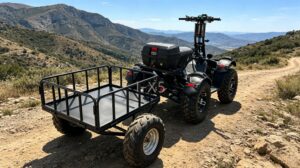
- Four wheels with real off-road tires—that’s your 4X4 grip right there
- Battery pack—usually tucked underneath or behind the seat. This is your fuel tank, except it’s clean, quiet, and never needs a gas station
- Handlebars with your throttle, brakes, and controls
- Seat—designed for comfort on longer rides
- Suspension—those springs and shocks that soak up the bumps
- Cargo rack or storage—because you’ll want to bring stuff along
Take a moment. Touch the controls. Sit on it. Get comfortable. Familiarity breeds confidence, and confidence makes you a better rider.
Step One: Power Up and Check Your Ride
Every great ride starts with a simple routine. I do this every single time, and you should too.
Check Your Battery Level
Look at your display panel. How much charge do you have? Your Edge Scooter will show you a battery percentage or bar indicator. Here’s my rule: if I’m planning anything more than a quick loop, I want at least 50% charge. There’s nothing worse than running out of juice halfway through an adventure.
Inspect the Tires
Give each tire a quick visual check. Are they properly inflated? Any obvious cuts or damage? Your 4X4 capability depends on good tires, so don’t skip this.
Test the Brakes
Before you move an inch, squeeze both brake levers. They should feel firm and responsive, not spongy or loose. Your electric ATV scooter has disc brakes—hydraulic ones on most models—and they should bite with confidence.
Quick Walk-Around
Look for anything loose, leaking, or out of place. Check that your cargo is secured. Make sure nothing’s blocking your wheels.
This whole routine takes maybe two minutes. Do it every time. Trust me on this.
Step Two: Starting Up—It’s Easier Than You Think
Here’s the beautiful thing about electric: no choke, no kickstart, no praying the engine turns over on a cold morning.
The Simple Start Sequence
- Turn the key to the “on” position (or press the power button, depending on your model)
- Check your display—you should see battery level, speed, mode, and any warning indicators
- Select your riding mode—most Edge Scooter models have Eco, Normal, and Sport modes. If you’re new, start in Eco
- Disengage any parking brake
- Twist the throttle gently
And you’re moving. That’s it. No drama, no noise, no cloud of exhaust. Just smooth, silent power.
Understanding Your Display
Your dashboard is your information hub. Here’s what to watch:
- Speed: Keep an eye on it, especially when learning
- Battery level: Plan your route around this
- Mode indicator: Know which power mode you’re in
- Odometer/trip meter: Handy for tracking distance
- Error warnings: If something’s wrong, it’ll tell you here
Step Three: The Throttle—Your New Best Friend
The throttle on your 4X4 electric ATV scooter controls everything. But here’s the thing: it’s not an on/off switch. It’s a precision instrument.
Smooth Is Fast
Electric motors deliver instant torque. That means power the moment you twist. It’s awesome, but it can surprise new riders.
My advice: Start with tiny, gradual twists. Get a feel for how much input produces how much acceleration. In Eco mode, the response is gentler—perfect for learning. In Sport mode? Whoa, Nellie. Save that for when you’ve got some miles under your belt.
The Thumb Throttle vs. Twist Throttle
Most Edge Scooter models use a twist throttle on the right handlebar, just like a motorcycle. Some have a thumb throttle. Either way, the principle is the same: smooth, progressive input.
Practice this: sit stationary, twist the throttle just enough to feel the motor engage, then release. Do it ten times. Get the muscle memory. It’ll pay off when you’re actually moving.
Step Four: Steering and Body Position
Riding a 4X4 electric ATV scooter isn’t like driving a car, and it’s not quite like riding a motorcycle either. It’s its own thing, and it’s fantastic once you get the hang of it.
Seated Position
Sit square on the seat, feet on the footrests, hands relaxed on the bars. You want to be upright but not rigid. Think athletic stance, not stiff board.
Looking Where You Want to Go
This sounds obvious, but it’s huge. Your body follows your eyes. Look at the path ahead, not directly in front of your wheel. Scan the terrain. Spot obstacles early. The further ahead you look, the smoother your ride becomes.
Leaning and Weight Transfer
On flat ground, stay centered. When cornering, shift your weight slightly into the turn—left for left turns, right for right turns. Don’t exaggerate this; subtle movements are all you need.
When climbing hills, lean slightly forward. When descending, shift your weight back. This keeps your centre of gravity where it should be and helps your 4X4 system do its job.
Standing Up
On rough terrain, you’ll want to stand on the footrests, knees slightly bent, elbows relaxed. This lets your legs absorb bumps instead of your spine. It’s called the “attack position,” but don’t let the name intimidate you—you’re not attacking anything, just riding smart.
Step Five: Braking Like a Boss
Stopping is at least as important as going. Your Edge Scooter has brakes on both the front and rear wheels, controlled by levers on your handlebars.
Front Brake vs. Rear Brake
- Right lever: Usually rear brake—gentler, more stable
- Left lever: Usually front brake—more powerful, but can cause the front to dive if grabbed too hard
The Golden Rule: Progressive Braking
Never grab a brake lever suddenly. Squeeze progressively. Start gentle, increase pressure as you slow. This prevents skidding, maintains control, and keeps you upright.
Emergency Stops
If you need to stop right now, squeeze both levers firmly but don’t lock up the wheels. Your electric ATV scooter has good brakes, but locked wheels slide, and sliding isn’t steering.
Practice braking at different speeds in a safe, open area. Know what your machine can do before you need it in a panic situation.
Step Six: Harnessing Your 4X4 Power
This is where your Edge Scooter really shines. Four-wheel drive isn’t just for show—it’s a genuine capability that changes how you ride.
What 4X4 Actually Does
Power goes to all four wheels instead of just two. That means better traction on loose surfaces, more confident hill climbing, and safer handling in slippery conditions.
When 4X4 Matters Most
- Loose gravel or sand: The rear wheels might slip, but the front wheels keep pulling you forward
- Wet grass or mud: Reduced chance of getting stuck
- Steep inclines: All four wheels working together means more grip going up
- Uneven terrain: If one wheel loses contact, the others keep driving
When You Don’t Need 4X4
On hard, flat surfaces like pavement or compacted dirt, 4X4 is less critical. Some riders switch to 2WD on easy terrain to save battery. Your Edge Scooter likely has a switch or button to toggle between modes—check your manual for specifics.
Let the System Work
The beauty of 4X4 is that it mostly handles itself. You don’t need to think about it constantly. Just know that when conditions get tricky, your machine has your back. Ride with confidence, not recklessness.
Step Seven: Conquering Different Terrain
Your 4X4 electric ATV scooter can handle a lot. Here’s how to approach different surfaces.
Hard-packed Dirt and Gravel Roads
This is your bread and butter. Maintain a steady speed, look ahead, and enjoy the ride. These surfaces are where you’ll feel most at home quickly.
Loose Sand
Sand is tricky. Reduce your tire pressure slightly if possible (check your manual for recommended pressures). Maintain steady momentum—don’t stop if you can help it. If you do get bogged down, don’t spin the wheels wildly. Reverse out gently, or get off and push if needed.
Mud
Approach mud at a steady speed, not too fast. Sudden acceleration spins wheels; smooth power gets you through. If it’s deep mud, maybe reconsider—your Edge Scooter is capable, not invincible.
Hills—Going Up
Approach at a steady speed. Shift your weight forward. Maintain consistent throttle. Don’t slow down mid-climb—that’s when you lose momentum. If you do stall or stop, brake firmly and assess. Don’t try to restart on a steep slope until you’re confident.
Hills—Going Down
This is where gravity becomes your challenge. Shift your weight back. Use engine braking (release the throttle) to control speed. Apply brakes gently if needed. Never descend a hill faster than you’re comfortable going up it.
Rocks and Obstacles
Stand up in attack position. Look at your line, not at the obstacle. Maintain steady throttle—no sudden acceleration or deceleration. Let your suspension do its job. Pick your path carefully, and if something looks too big, it probably is. Walk it first if you’re unsure.
Step Eight: Riding Etiquette and Responsibility
Having fun is the point, but being a responsible rider makes sure everyone keeps having fun.
Respect the Land
Stick to designated trails. Don’t tear up sensitive areas. Pack out what you pack in. Your electric ATV scooter is quiet and clean—let’s keep the environment that way too.
Respect Others
Your machine is silent, which is awesome, but it also means pedestrians and other trail users might not hear you coming. Slow down when passing others. A friendly wave goes a long way.
Know Your Limits
There’s no prize for being the fastest or the most daring. Ride within your abilities. Push your boundaries gradually, not all at once. The best riders aren’t the ones who take the biggest risks—they’re the ones who ride consistently, safely, and come back for more tomorrow.
Step Nine: Maintenance Made Simple
One of the best things about electric? Way less maintenance than gas. But “less” doesn’t mean “none.”
After Every Ride
- Give your Edge Scooter a quick wash if it’s dirty. Don’t use a pressure washer directly on electrical components—gentle hose or damp cloth
- Check tire pressure
- Look for any new damage or loose parts
- Plug it in to charge if you’re below 50%
Weekly or Monthly
- Inspect brake pads for wear
- Check all bolts and fasteners—vibration can loosen things over time
- Lubricate the chain if your model has one (many electric ATVs use direct drive, so no chain needed)
- Clean and inspect your battery connections
Seasonal
- If storing for winter, charge to about 60% and store in a cool, dry place
- Check suspension for leaks or wear
- Consider a professional service annually, especially if you ride hard
Step Ten: Growing Your Skills
The first ride is just the beginning. Here’s how to keep getting better.
Practice Deliberately
Pick one skill to work on each ride. Maybe it’s smooth throttle control today, braking technique tomorrow, cornering lines the next time. Focused practice beats mindless riding every time.
Ride with Others
More experienced riders can teach you tons. Plus, riding with friends is just more fun. Join local groups, online communities, or ask your Edge Scooter dealer about meetups.
Take a Course
If you can find an ATV safety course in your area, do it. Even one day of professional instruction accelerates your learning curve dramatically.
Explore New Terrain
Once you’re comfortable, push your boundaries. New trails, new challenges, new scenery. That’s what this is all about.
Troubleshooting: When Things Don’t Go Perfectly
Even the best machines have off days. Here’s how to handle common hiccups.
Won’t Power On
- Check the key/battery disconnect
- Verify battery charge
- Check for loose connections
- Consult your manual for error codes
Reduced Power or Range
- Battery might be cold—let it warm up
- You’re in a higher power mode than you realize
- Terrain or riding style is more demanding
- Battery may be aging—normal over time
Strange Noises
Electric motors are nearly silent. If you hear grinding, clicking, or rattling, stop and investigate. Something might be loose or worn.
Won’t Charge
- Check the charger connection
- Verify the outlet works
- Inspect charging port for debris or damage
- Try a different charger if available
When in doubt, contact Edge Scooter support or your dealer. Don’t force anything.
The Mindset: Why I Love Riding Electric
I’ll wrap this up with something personal. I’ve ridden gas-powered ATVs for years, and they were fun. But the first time I twisted the throttle on my 4X4 electric ATV scooter, something clicked.
The silence. The instant torque. The clean air. The way you can actually hear birds and wind and conversation. It’s a different kind of riding. More connected. More present.
Your Edge Scooter isn’t just transportation or a toy. It’s a doorway to experiences you haven’t had yet. Trails you haven’t explored. Sunsets you haven’t seen from that perfect overlook. Moments with friends and family that become stories you’ll tell for years.
So charge up, gear up, and get out there. Your adventure is waiting, and it’s going to be electric in every sense of the word.
Quick Reference: Your First Ride Checklist
- [ ] Battery charged to at least 50%
- [ ] Tires inspected and properly inflated
- [ ] Brakes tested and responsive
- [ ] All controls functioning
- [ ] Helmet and protective gear on
- [ ] Riding mode set appropriately (Eco for beginners)
- [ ] Route planned with battery range in mind
- [ ] Phone charged and with you
- [ ] Someone knows where you’re riding
- [ ] Excitement level: maximum
Now go ride. The trail is calling, and your Edge Scooter is ready to answer.
Ride safe. Ride smart. Ride electric.