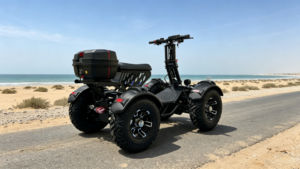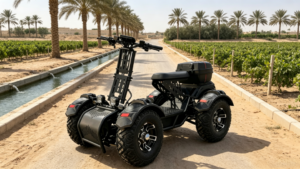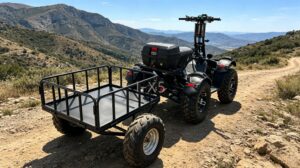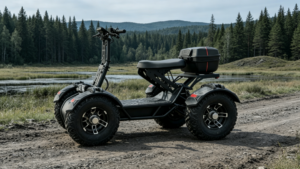
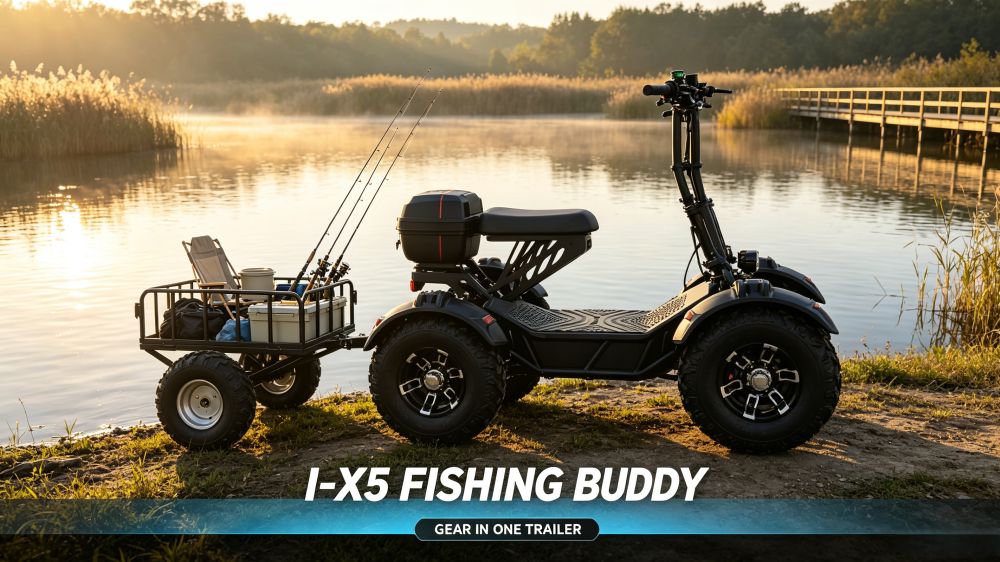
There is a quiet revolution happening on dirt trails, forest paths, and desert dunes across America. If you visit any popular off-road park on a weekend, you will notice something new. Alongside the loud gas-powered four-wheelers that have dominated the trails for decades, a growing number of riders are showing up on machines that look similar but sound completely different. They are riding off-road electric scooter ATVs, and their numbers are growing fast.
These vehicles combine the rugged capability of traditional all-terrain vehicles with the clean, quiet technology of electric power. They are not just a trend. They represent a genuine shift in how people think about outdoor adventure. So why are more and more people choosing them? The answer involves technology, cost, environmental awareness, accessibility, and the simple joy of riding.
The Technology Finally Caught Up
For many years, electric vehicles struggled with a reputation problem. People assumed they were weak, slow, and unable to handle real outdoor conditions. Early electric ATVs had limited range, weak motors, and batteries that died quickly in cold or hot weather. They felt like toys rather than real machines.
That has changed completely. Modern battery technology, particularly lithium-ion systems, has transformed what electric off-road vehicles can do. Today’s off-road electric scooter ATVs can deliver instant torque that rivals or exceeds gas engines. They can climb steep hills, crawl over rocks, and power through mud with confidence. The acceleration is smooth and immediate. There is no lag, no gear shifting, and no waiting for the engine to catch up.
Range has improved dramatically too. While early models might have offered only 10 or 15 miles of riding, current machines can cover 40, 50, or even 80 miles on a single charge depending on terrain and riding style. For most recreational riders, that is more than enough for a full day of trail riding. Charging infrastructure is also expanding, with many parks and camping areas now offering outlets where riders can top off their batteries during lunch breaks.
The reliability of electric systems is another major advantage. A gas ATV has hundreds of moving parts. It needs oil changes, air filters, spark plugs, fuel lines, and carburetor adjustments. An electric ATV has a motor, a battery, and a controller. There are far fewer things that can break, leak, or wear out. This simplicity means less time in the garage and more time on the trails.
Saving Money Without Sacrificing Fun
Let us talk honestly about money. Traditional gas-powered ATVs are expensive to own and operate. The initial purchase price is only the beginning. You must buy gasoline, which adds up quickly when you are riding every weekend. You need regular maintenance. Parts wear out and need replacement. If something major breaks, repair bills can be shocking.
Off-road electric scooter ATVs offer a different financial picture. Electricity is dramatically cheaper than gasoline. Charging an electric ATV at home costs only a few dollars compared to the $20 or $30 you might spend filling a gas tank. Over a year of regular riding, those savings become significant.
Maintenance costs are lower too. Without an engine, there is no oil to change. There are no spark plugs to replace. The brake pads last longer because electric motors provide regenerative braking, which slows the vehicle by converting motion back into battery charge. Many owners report spending almost nothing on maintenance beyond occasional tire checks and basic cleaning.
The total cost of ownership is where electric ATVs really shine. When you add up purchase price, fuel, maintenance, and repairs over several years, the electric option often comes out ahead. For families, young riders, or anyone who wants outdoor fun without draining their bank account, this math is compelling.
Quiet Power Opens New Doors
One of the most noticeable differences when you ride an electric ATV is the silence. At first, it feels strange. We are so used to the roar of engines that quiet operation seems almost wrong. But that silence is actually a superpower.
Noise pollution is a real problem for off-road recreation. Many communities have restricted or banned gas-powered ATVs because the noise disturbs wildlife, annoys neighbors, and disrupts the peaceful nature experience that draws people to the outdoors in the first place. Riders often find themselves traveling farther and farther from populated areas just to find places where they are allowed to ride.
Electric ATVs solve this problem. They are quiet enough that you can actually hear the natural world around you. You can ride near residential areas without causing complaints. You can explore trails that are closed to gas vehicles. Some hunters and wildlife photographers prefer electric machines because they do not scare animals away. The quiet operation expands where you can ride and when you can ride.
This silence also makes the experience more social. When you stop on the trail, you can have a normal conversation without shouting over an idling engine. You can hear your riding companions, share laughs, and enjoy the moment without the constant background noise of mechanical power.
Environmental Responsibility Feels Good
We cannot ignore the environmental benefits of going electric. Traditional ATVs burn gasoline and emit exhaust fumes directly into the air we breathe and the nature we love. They contribute to air pollution and leave a carbon footprint with every ride.
Electric ATVs produce zero direct emissions. When you ride one, you are not releasing carbon monoxide, hydrocarbons, or nitrogen oxides into the forest air. The environmental impact depends on how the electricity is generated, but even accounting for power plant emissions, electric vehicles are generally cleaner than their gas counterparts. As more electricity comes from renewable sources like wind and solar, this advantage only grows.
For many riders, this matters on a personal level. People who love the outdoors often feel a responsibility to protect it. Choosing an electric ATV is a way to enjoy nature while minimizing harm to it. It feels good to know that your weekend adventure is not contributing to the problems facing our environment. This alignment between values and actions is a powerful motivator.
There is also the issue of ground contamination. Gas ATVs can leak oil and fuel onto the trails and into waterways. Electric vehicles eliminate this risk entirely. For riders who care about keeping trails clean and protecting sensitive ecosystems, this is another meaningful advantage.
Accessibility for Everyone
Off-road electric scooter ATVs are making outdoor adventure accessible to people who might never have considered it before. The learning curve for riding an electric machine is gentler than for a gas-powered one. There are no gears to shift, no clutch to master, and no throttle technique to learn. You twist the grip and go. The power delivery is predictable and manageable.
This makes electric ATVs excellent for beginners, younger riders, and people who might be intimidated by the complexity of traditional machines. Families can ride together more easily when everyone, from teenagers to grandparents, can operate the vehicle confidently.
The lower weight of many electric models is another accessibility benefit. Without a heavy gas engine and transmission, electric ATVs can be lighter and more maneuverable. This makes them easier to transport, easier to handle on technical trails, and less exhausting to ride for extended periods.
For people with physical limitations, the simplicity of electric operation can be a game-changer. The smooth power delivery and lack of vibration reduce fatigue. The quiet operation is easier on sensitive hearing. The reduced maintenance burden means less physical work keeping the machine ready to ride.
The Fun Factor Is Real
All the practical benefits matter, but let us be honest. People buy ATVs because they are fun. And electric ATVs deliver fun in abundance.
The instant torque of electric motors creates an exhilarating riding experience. When you twist the throttle, the power hits immediately. There is no waiting for the engine to rev up. This instant response makes technical climbing, sand riding, and acceleration out of corners incredibly satisfying.
The low center of gravity created by battery placement gives electric ATVs excellent stability. They feel planted and confident in corners. The smooth power delivery prevents the sudden jolts and jerks that can catch inexperienced riders off guard on gas machines.
Many riders describe the electric experience as more connected to the trail. Without engine noise and vibration, you feel the terrain more directly through the handlebars and foot pegs. You hear the tires gripping the dirt. You sense the suspension working. It is a more immersive, almost meditative experience for some people.
The technology also enables features that enhance fun. Many electric ATVs come with multiple riding modes that let you adjust power delivery for different conditions or skill levels. Some have smartphone connectivity for tracking rides, adjusting settings, and sharing adventures with friends. Regenerative braking can be tuned to provide engine braking on steep descents, giving experienced riders more control.
Communities Are Growing
The rise of off-road electric scooter ATVs has created new communities of enthusiasts. Online forums, social media groups, and local riding clubs dedicated to electric off-roading are thriving. These communities share tips, organize group rides, and support newcomers entering the sport.
This community aspect is important because riding is often better with others. Having a network of fellow electric riders means you have people to ride with, learn from, and troubleshoot problems alongside. It creates a sense of belonging and shared purpose.
The community also drives innovation. Enthusiasts share modifications, battery upgrades, and riding techniques that push the technology forward. Manufacturers pay attention to this feedback, leading to rapid improvements in new models. The cycle of community engagement and product development is accelerating the evolution of electric off-road vehicles.
Looking to the Future
The trend toward off-road electric scooter ATVs is not slowing down. Major manufacturers are investing heavily in electric off-road lines. New models with longer range, more power, and better features are announced regularly. Battery technology continues to improve, promising even greater capabilities in the coming years.
Infrastructure is adapting too. More trails are opening specifically to electric vehicles. Charging stations are appearing at riding areas, campgrounds, and outdoor recreation hubs. Governments and land managers are recognizing that quiet, clean electric vehicles solve many of the conflicts that have plagued off-road recreation.
As prices continue to fall and performance continues to rise, the choice becomes clearer for more riders. The combination of lower operating costs, reduced maintenance, environmental benefits, expanded access, and pure riding enjoyment makes electric ATVs an increasingly attractive option.
Conclusion
The growing popularity of off-road electric scooter ATVs is not a fad. It is the result of genuine technological progress meeting real human needs. These machines offer a better way to experience the outdoors for many people. They save money, reduce environmental impact, open new riding areas, and deliver incredible fun.
Whether you are a lifelong off-road enthusiast looking for your next machine or a newcomer curious about outdoor adventure, the electric option deserves serious consideration. The trails are calling, and now you can answer that call with clean, quiet, powerful technology that enhances rather than diminishes the natural world you are exploring.
The future of off-road riding is electric, and that future looks bright, adventurous, and a whole lot of fun.