Your Beginner-Friendly Guide to Electric Off-Road Freedom
So, you’ve seen those badass four-wheeled electric beasts tearing up trails, climbing hills like they’re nothing, and cruising through mud without breaking a sweat. Maybe you’ve thought, “That looks awesome, but there’s no way I could handle that.” Well, guess what? You absolutely can. Welcome to the world of the All-terrain 4×4 Off-road Scooter with Seat — specifically the I-X3, I-X5, and I-F6 family from Edge Scooter. This isn’t rocket science. It’s pure, electric-powered fun, and by the end of this guide, you’ll go from complete newbie to confident trail rider.
What the Heck Is This Thing Anyway?
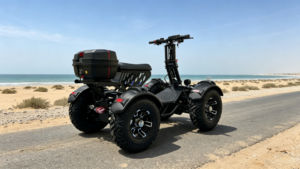
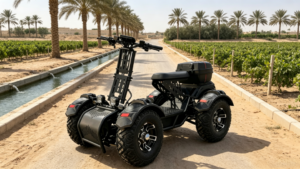
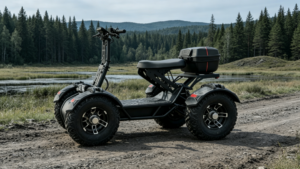
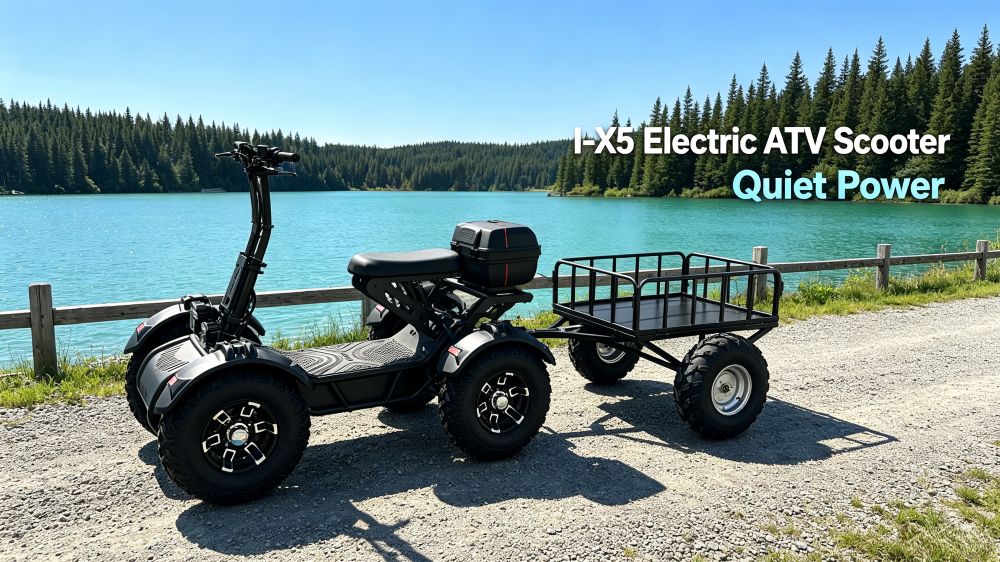
Let’s clear up the confusion first. An All-terrain 4×4 Off-road Scooter with Seat is exactly what it sounds like — a mashup between an electric scooter and a full-blown ATV (All-Terrain Vehicle). Imagine a rugged, four-wheeled machine that you can either stand on like a giant scooter or sit on like a traditional quad. It’s 100% electric, whisper-quiet, and built to handle dirt, rocks, sand, mud, snow — you name it.
The I-X3, I-X5, and I-F6 are three models in Edge Scooter’s lineup of these electric ATV scooters. Think of them as siblings in the same family — they share the same DNA (four-wheel-drive, hub motors, beefy suspension) but cater to slightly different riders and needs. Whether you want the entry-level gateway machine, the balanced all-rounder, or the fully-loaded adventure rig, there’s a model for you.
Why Go Electric? The Game-Changing Benefits
Before we dive into the “how,” let’s talk about the “why.” Why choose an electric 4×4 scooter over a gas-guzzling ATV?
Silent Operation: This is the big one. Electric motors make almost no noise. We’re talking about 65 decibels — quieter than normal conversation. Compare that to 85-100 decibels for a gas ATV. For hunters, wildlife photographers, or anyone who loves nature, this is a game-changer. You can approach animals without spooking them, ride through peaceful forests without ruining the vibe, and hit the trails at dawn without waking the neighborhood.
Zero Emissions: No exhaust fumes. No smell. No contributing to air pollution. You’re exploring nature without hurting it. That’s a win-win.
Instant Torque: Electric motors deliver maximum power the second you twist the throttle. No revving, no lag, no waiting for the engine to “get there.” From a standstill, these machines pull like freight trains. Climbing steep hills? Effortless. Crawling over rocks? Child’s play.
Minimal Maintenance: Say goodbye to oil changes, spark plugs, air filters, fuel system cleanings, and transmission repairs. These scooters have no chains, no differentials, no drive shafts, and no gearboxes. Each wheel has its own self-contained hub motor. Your maintenance checklist is basically: check tire pressure, inspect brakes occasionally, keep it charged, and ride.
Low Running Costs: Electricity is way cheaper than gasoline. No oil to buy. No engine parts to replace. Over time, you’ll save serious cash compared to owning a gas-powered quad.
Meet the Family: I-X3, I-X5, and I-F6
Here’s where things get exciting. Edge Scooter offers three models that share the same rugged platform but let you choose your level of adventure.
The I-X3 — Your Gateway to Off-Road Freedom
The I-X3 is the perfect starting point for beginners. It packs the same core technology as its bigger brothers — four hub motors, independent suspension, and that bulletproof iron frame — but comes in a package that’s approachable and confidence-inspiring. If you’re new to off-roading and want something that forgives your mistakes while still delivering thrills, this is your machine.
The I-X5 — The Goldilocks Choice
The I-X5 is the most popular model for good reason. It’s the “just right” option — powerful enough for extreme terrain, comfortable enough for long rides, and versatile enough for work or play. This model comes with multiple battery options (60V 50Ah, 60Ah, 70Ah, or 80Ah) so you can choose your range. With a top speed of 55 km/h (34 mph), 10 kW of peak power, and a 300 kg (660 lb) payload capacity, it handles everything from weekend trail rides to farm work without complaining.
The I-F6 — The Fully-Loaded Adventure Machine
The I-F6 sits at the top of the lineup. While sharing the same proven 4×4 platform, this model typically comes fully equipped with all the bells and whistles — think premium accessories, enhanced configurations, and the kind of setup that serious adventurers and commercial users demand. If you want the ultimate electric ATV experience with every box checked, the I-F6 is your ride.
All three models feature the same standout specs: four 1,500W brushless hub motors (6,000W rated, 10,000W peak), 60V lithium battery systems, 21-inch all-terrain tubeless tires, independent suspension on all four wheels, and switchable 2WD/4WD modes.
Key Features That Make These Machines Special
Four-Wheel Drive with Hub Motors
Here’s the genius of these scooters: each wheel has its own electric motor built right into the hub. No chains, no belts, no drive shafts, no differentials. This “distributed electric torque” system means power goes straight to the ground with zero mechanical complexity. If one wheel hits a slippery patch, the other three keep pulling. You can switch between 4WD (for maximum traction) and 2WD (to save battery on easier terrain) with the press of a button.
Independent Suspension = Go Anywhere
Every wheel has its own swing arm and progressive damping shock absorber. Hit a rock with your left front tire? Your right front tire doesn’t even notice. This keeps all four tires glued to the ground for maximum traction and stability. The shocks are height-adjustable too, so you can tune them for different terrain — soft for rocky trails, firmer for smooth paths.
That Seat Makes All the Difference
Unlike traditional stand-up scooters that leave your legs burning after 20 minutes, these machines come with a comfortable, adjustable seat. Cruise for hours without fatigue. The seat is removable, so you can still ride standing up when you want that engaged, surf-like feeling. The handlebar stem telescopes up and down, so riders of any height can find their perfect position.
Mechanical Oil Brakes — Because Stopping Matters
These aren’t cheap cable brakes or unpredictable regenerative systems. We’re talking mechanical oil hydraulic disc brakes on all four wheels. They work the same in rain, mud, heat, or cold. Predictable, powerful, and reliable — exactly what you need when you’re pointing downhill on a rocky trail.
Built Like a Tank
The frame is iron — yeah, it’s not the lightest material, but when you’re bouncing off rocks and tree roots, you want strength, not weight savings. The handlebars and levers are aluminum alloy where it makes sense. Result? A 205 kg machine that can carry 300 kg of rider and cargo without breaking a sweat.
From Zero to Hero: Learning to Ride
Step 1: Gear Up (Don’t Skip This!)
Before you even touch the throttle, get proper safety gear:
- DOT-approved helmet (full-face if you’re doing serious off-roading)
- Gloves (for grip and protection)
- Long sleeves and pants (trust me, road rash sucks)
- Boots with ankle support (hiking boots work in a pinch)
- Eye protection (goggles or a helmet visor)
Step 2: Get to Know Your Machine
Take 10 minutes to walk around your scooter and familiarize yourself:
- Left handlebar: Usually your brake levers and light controls
- Right handlebar: Throttle and additional controls
- Dashboard: Waterproof LCD showing speed, battery level, gear (D/R/P), and drive mode (2WD/4WD)
- Seat and handlebar: Adjust them to your height before riding
Pro tip: Start in seated mode. It’s more stable and less intimidating for beginners.
Step 3: Power On and Check Systems
Turn the key (or press the power button). The dashboard should light up showing “READY.” Check that:
- Battery is sufficiently charged (don’t head out with one bar)
- 4WD mode is selected for off-road (you can switch to 2WD later when comfortable)
- Lights work if riding near dusk
- Brakes feel firm
Step 4: Find Your Balance (Stationary)
With the machine powered on but not moving, sit on the seat and plant your feet firmly. Get a feel for the weight distribution. These machines are heavy (205 kg), but that weight sits low, making them surprisingly stable. Rock gently side to side — notice how the independent suspension absorbs your movement?
Step 5: First Movement — Slow and Steady
Put it in Drive (“D”). Gently twist the throttle. Just a little. Feel that instant torque? These machines jump off the line faster than you’d expect. Get used to feathering the throttle for smooth starts.
Beginner mode: Many riders recommend starting on flat, open ground — a dirt field or wide trail. No obstacles, no hills, no pressure.
Step 6: Braking Practice
Get up to a walking pace, then squeeze both brake levers evenly. The hydraulic brakes are strong but progressive — they won’t throw you over the handlebars if you’re smooth. Practice emergency stops from increasing speeds until it feels natural.
Step 7: Turning and Body Position
When seated, lean slightly into turns — just like on a bicycle. Look where you want to go, not at your front wheel. The four-wheel design is incredibly forgiving; it’s basically impossible to tip over in normal riding.
When you’re ready to try standing mode:
- Stand with feet shoulder-width apart on the deck
- Bend your knees slightly (they’re your suspension)
- Lean forward on climbs, back on descents
- Shift your weight side-to-side in turns
Step 8: Tackling Terrain
Grass and dirt: Easy mode. The 21-inch tires float over this stuff.
Gravel and rocks: Slow down, stand up if possible, and let the suspension do its job. The tires will find traction.
Sand: Momentum is your friend. Don’t stop if you can help it. The 4WD system handles sand surprisingly well.
Mud: Engage 4WD before you enter. Keep a steady throttle — don’t gun it or you’ll dig in. The knobby tires self-clean as they spin.
Hills: Approach straight on. Lean forward (seated or standing) to keep weight over the front. The 35°+ climbing angle means these things will ascend slopes that would make you nervous to walk up.
Steep descents: Shift your weight back, use both brakes gently, and let the motor’s natural resistance help slow you down.
Step 9: Advanced Techniques
Once you’re comfortable, try:
- Switching between seated and standing mid-ride (on flat ground first!)
- 2WD vs. 4WD experiments: Notice how 2WD feels lighter and more playful on hardpack, while 4WD claws through loose stuff
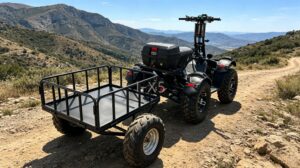
- Carrying cargo: Add the front/rear baskets or storage box. The 300 kg capacity means you can haul serious gear
- Night riding: Those LED headlights are bright. Just take it slower after dark
Real-World Applications: More Than Just Fun
These machines aren’t toys — they’re tools. Here’s how people actually use them:
Hunting and Fishing: Silent approach means you don’t scare game. Carry your gear, your catch, and even a buddy. The storage box and optional trailer handle everything.
Farm and Ranch Work: Haul tools, feed, fencing materials, and harvested crops across rough fields. No gas fumes stressing your livestock. Charge overnight, work all day.
Camping and Overlanding: Explore remote areas inaccessible to trucks. The range (65-100 km depending on battery) covers serious ground.
Security and Patrol: Large properties, golf courses, resorts — the silent operation lets you observe without announcing your presence.
Extreme Sports and Recreation: Because sometimes you just want to blast through trails at 55 km/h and feel like a superhero.
Charging and Battery Care
Plug in after each ride using the included 67.2V charger. A full charge takes 8-10 hours — perfect for overnight charging. The lithium iron phosphate (LiFePO₄) batteries are incredibly durable, delivering 2,000 to 3,000 charge cycles. That’s over 40 years of weekly use!
Battery tips:
- Don’t let it sit fully discharged
- Charge in dry, ventilated areas
- The 80Ah battery gives you roughly 25-30% more range than the 60Ah — worth it if you do long expeditions
Maintenance: Almost Too Easy
Your monthly checklist:
- Check tire pressure (tubeless tires are forgiving but perform best at proper pressure)
- Inspect brake pads (hydraulic systems last a long time)
- Tighten any loose bolts (vibration happens)
- Keep it clean (hose off mud, dry electrical connections)
- Charge and store properly
That’s it. No oil changes. No spark plugs. No air filters. No carburetor adjustments. No winterizing. Just ride.
Choosing Your Model: Quick Guide
| Your Situation | Best Choice |
|---|---|
| New to off-roading, want to learn | I-X3 — approachable, forgiving, same great platform |
| Want the best all-rounder for play and work | I-X5 — most popular, configurable battery options |
| Serious adventurer, want it all | I-F6 — fully loaded, premium setup, maximum capability |
All three share the same core DNA: four hub motors, independent suspension, iron frame, 300 kg capacity, and that game-changing seat.
The “Zero to Hero” Mindset
Here’s the truth: these machines make you look like a hero even when you’re a zero. The technology does the heavy lifting. The 4WD system finds traction so you don’t have to. The suspension absorbs impacts you’d otherwise feel in your spine. The low center of gravity keeps you stable when instinct says you should fall.
Your job? Show up, gear up, twist the throttle, and smile. Start slow. Build confidence. Before you know it, you’ll be climbing hills, crossing streams, and exploring trails you never thought possible.
The All-terrain 4×4 Off-road Scooter with Seat isn’t just a vehicle — it’s a passport to adventure. Whether you choose the I-X3, I-X5, or I-F6, you’re getting a machine that turns “I can’t” into “I just did.”
So what are you waiting for? Charge up, head out, and discover what “zero to hero” really feels like. The trails are calling, and now — you’ve got the keys to answer.