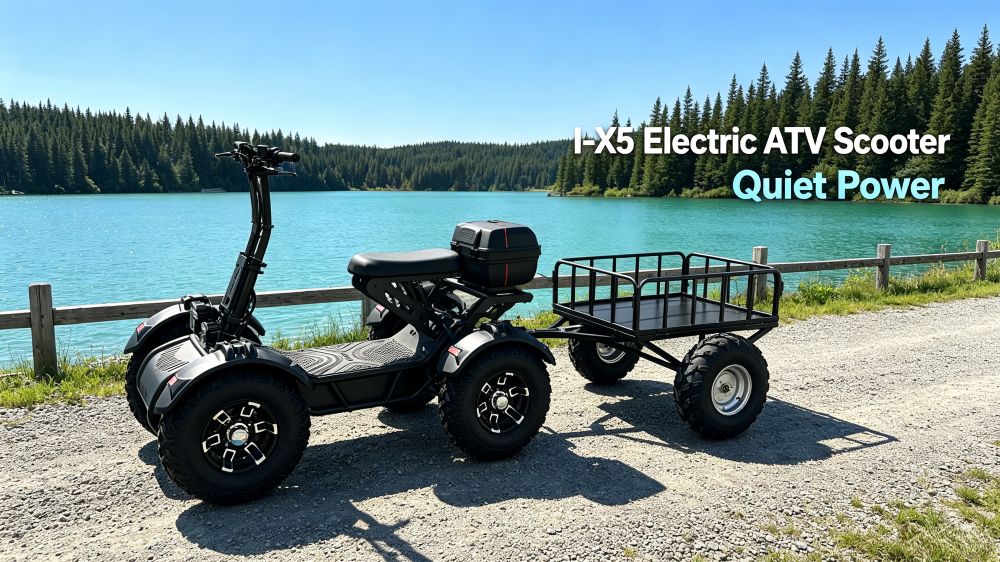
The Convergence of Two Worlds: From Urban Scooters to Off-Road Beasts
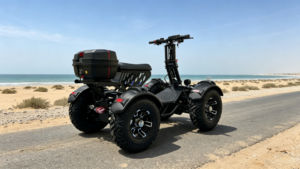
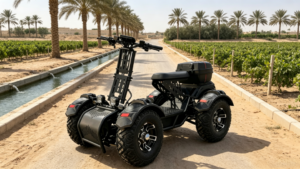
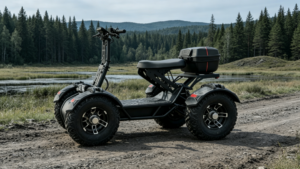
The modern powersports landscape has undergone a quiet revolution. As environmental consciousness meets technological innovation, a new category of vehicle has emerged to bridge the gap between urban electric mobility and rugged outdoor adventure—the non-road-legal recreational Electric ATV Scooter. These machines are not designed for highway commuting or city streets; they are purpose-built instruments of exploration, engineered to conquer terrains where traditional vehicles fear to tread. Among the most compelling examples of this category is the Edge Scooter I-X5, a powerful four-wheel-drive beast that embodies the convergence of electric powertrain technology and all-terrain capability.
The I-X5 represents more than a product—it represents a paradigm shift in how adults access remote wilderness, manage agricultural properties, pursue game in hunting grounds, and simply escape the paved world for moments of pure adrenaline-fueled freedom. With a robust 10 kW motor system, 60V lithium battery, independent suspension, and a 300 kg payload capacity, this rugged machine transforms every trail into a personal playground while delivering 65–80 km of silent, emission-free exploration.
What distinguishes the I-X5 from conventional ATVs is its unique Stand Up ATV Scooter design philosophy. Unlike traditional seated quads that position riders in a passive, reclined posture, the I-X5 offers riders the option to stand upright, leaning into turns with the same body engagement that makes stand-up scooters so exhilarating in urban environments. This hybrid architecture—combining the physical engagement of a stand-up scooter with the stability of a four-wheel quad—creates an entirely new category of All-Terrain Micro Mobility Solution that appeals to thrill-seekers, utility users, and environmental enthusiasts alike.
The Genesis of the Stand Up Electric ATV Scooter
The Electric ATV Scooter did not appear in a vacuum. Its lineage traces back to two distinct evolutionary branches: the stand-up electric scooter revolution that transformed urban commuting in the 2010s, and the all-terrain vehicle heritage that originated from three-wheeled recreational machines in the 1970s. The electric ATV scooter bridges the gap between these worlds—combining the clean, quiet efficiency of electric drivetrains with the rugged, go-anywhere capability of four-wheel-drive quads.
The earliest electric off-road vehicles were essentially modified golf carts—heavy, slow, and limited in range. These primitive machines served utilitarian purposes on farms and estates but offered little thrill for recreational users. The breakthrough came with advances in lithium-ion battery chemistry, particularly lithium iron phosphate and ternary lithium technologies, which provided the energy density, safety, and cycle life necessary for demanding off-road applications. Concurrently, the development of high-torque brushless DC hub motors enabled manufacturers to distribute power directly to each wheel without the mechanical complexity of traditional drivetrains.
The modern Electric ATV Scooter emerged as manufacturers recognized a market gap: adult enthusiasts wanted the portability, simplicity, and physical engagement of electric scooters but demanded the terrain-conquering capability of traditional ATVs. The result is a hybrid category—lighter than conventional quads yet more capable than any stand-up scooter, designed specifically for off-road recreation rather than road-legal transportation. These vehicles occupy a unique regulatory space as non-road-legal recreational equipment, freeing designers from the constraints of highway safety standards while optimizing for trail performance.
The I-X5 exemplifies this evolutionary endpoint. It is not a compromised road vehicle adapted for dirt; it is a purpose-built off-road instrument that happens to use electric power. This distinction matters because it informs every design decision—from the 21-inch all-terrain tires to the four-wheel-drive hub motor configuration—creating a machine that feels native to the wilderness rather than an urban refugee.
The Stand-Up Design: Redefining Rider Engagement
The most distinctive feature of the I-X5 is its dual-mode riding configuration. Unlike conventional ATVs that lock riders into a seated position, the I-X5 offers two versions: a Standing mode and a Riding mode. This versatility transforms the vehicle from a utility transporter into an extreme sports platform with a simple configuration change.
In Standing mode, riders assume an upright posture similar to urban electric scooters, gripping the handlebars while their feet rest on a wide, textured deck. This position delivers several advantages for off-road riding. First, it provides superior weight transfer capability. When ascending steep inclines, riders can shift their body weight forward to maintain traction on the front wheels. When descending, they can shift rearward to prevent tipping. This dynamic weight distribution is intuitive and immediate—riders feel the terrain through their legs and respond instinctively, much like mountain bikers or motocross riders.
Second, the standing position offers enhanced visibility. Elevated above the seated eye line, riders can spot obstacles, trail markers, and terrain changes earlier, allowing proactive rather than reactive riding. This advantage is particularly valuable in technical trail sections where line choice determines success or failure.
Third, the physical engagement of standing riding transforms off-roading from a passive activity into an active sport. Riders use their core muscles to maintain balance, their arms to steer and absorb impacts, and their legs as suspension extensions. This full-body involvement creates a more immersive, exhausting, and ultimately more rewarding experience than the relatively sedentary posture of traditional ATVs.
For longer journeys or utility applications, the Riding mode adds a comfortable seat and backrest, converting the I-X5 into a conventional seated quad. The pole telescoping feature allows handlebar height adjustment for riders of different statures, while the seat disassembly capability enables compact transport in standard truck beds or trailers. This adaptability ensures that the I-X5 serves multiple use cases—from adrenaline-fueled stand-up trail sessions to practical seated farm work—without requiring multiple vehicles.
How the I-X5 Works: Distributed Electric Torque
At the heart of the I-X5 lies a sophisticated four-wheel-drive system that fundamentally reimagines how off-road vehicles deliver power to the ground. Unlike traditional ATVs that rely on a single internal combustion engine connected through mechanical differentials, chains, and shafts, the I-X5 employs four independent brushless hub motors—one integrated into each wheel. Each motor is rated at 1,500 watts, delivering a combined peak output of 10 kW (approximately 13.4 horsepower) at 60V.
This distributed architecture offers several mechanical advantages. First, it eliminates the need for complex drivetrain components—there are no differentials to lock, no chains to lubricate, no CV joints to wear out. Each wheel operates as an independent drive unit, controlled by the vehicle’s central electronics. Second, the brushless DC motor design provides exceptional torque at zero RPM. Unlike gasoline engines that must rev to build power, electric motors deliver maximum twisting force from a standstill. This characteristic is invaluable for technical trail riding, where precise low-speed control determines whether a rider conquers an obstacle or retreats.
The hub motor configuration also optimizes weight distribution. By placing motors at the perimeter rather than centralizing mass, the I-X5 achieves a lower center of gravity and better balance across uneven terrain. The motors are sealed units, protected from the dust, mud, and water immersion that would destroy conventional open-frame motors.
The I-X5 utilizes a 60V lithium battery system available in multiple capacities: 50 Ah, 60 Ah, 70 Ah, and 80 Ah. This architecture represents a deliberate engineering choice that prioritizes performance and longevity. The battery management system monitors cell voltage, temperature, and current draw in real-time, protecting against overcharge, over-discharge, and short circuits. Charging requires 8–10 hours using standard AC power, making overnight charging practical for most users. The 60V architecture represents a sweet spot for performance and safety—high enough to deliver substantial power without the insulation and component costs associated with higher-voltage systems.
The chassis construction reflects a philosophy of durability over weight savings. The main frame utilizes iron construction—heavier than aluminum but more resistant to the fatigue and impact stresses of off-road abuse. The handlebar and brake levers employ aluminum alloy where weight reduction improves handling without compromising strength.
The independent suspension system represents one of the most critical design elements for off-road performance. Unlike solid-axle designs where wheels are connected and movement on one side affects the other, independent suspension allows each wheel to react to terrain irregularities autonomously. When the left front wheel encounters a rock, the right front wheel maintains its position and contact patch. This design maximizes tire contact with the ground across uneven surfaces, improving traction and stability. The custom front and rear independent swing arms and suspensions adopt mature technology progressive damping suspension, adjustable in height to suit different off-road scenes.
The 21-inch all-terrain high-elasticity vacuum tires serve multiple purposes. Their large diameter provides ground clearance for obstacle traversal, while the high-elasticity compound absorbs impacts that would transmit harshly through the suspension. The vacuum construction reduces weight and eliminates pinch-flat risks that plague traditional tubed tires in rocky terrain.
The I-X5 employs mechanical oil brakes rather than regenerative or cable-actuated systems. This choice prioritizes reliability and consistency across varied conditions. Oil-filled brake lines maintain hydraulic pressure regardless of temperature or moisture, delivering predictable stopping power during steep descents or emergency situations.
The control interface includes a high-definition intelligent LCD instrument with waterproof function—essential for vehicles that will encounter rain, stream crossings, and mud splashes. Multifunctional left and right handlebar switches control lighting, drive modes, and auxiliary. The gear switch supports built-in automatic transmission with Drive, Reverse, and Parking modes, simplifying operation for users across skill levels. A critical feature is the drive switching capability between 4WD and 2WD modes, allowing riders to optimize for traction or efficiency depending on terrain conditions.
Application Scenarios: Where the I-X5 Excels
For hunters, the I-X5 offers a capability that no gasoline vehicle can match: silent approach. The electric drivetrain produces minimal noise compared to the mechanical roar of internal combustion engines. This silence allows hunters to access blinds and stands without spooking game across a wide radius. The 300 kg payload capacity accommodates the hunter, weapon, harvested game, and gear, while the 65–80 km range covers extensive hunting grounds without refueling concerns. The four-wheel-drive system provides traction across dew-covered morning grass, muddy creek beds, and snow-dusted late-season trails.
For thrill-seekers, the I-X5 transforms every trail into a personal playground. The 55 km/h top speed delivers genuine adrenaline, while the 10 kW peak power provides acceleration that pins riders to their seats. The stand-up deck option provides the physical engagement of a scooter with the stability of a quad. The 21-inch tires float across loose surfaces rather than digging in, and the high-elasticity compound absorbs impacts from jumps and drops.
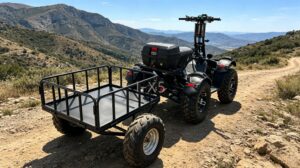
Anglers frequently face the challenge of accessing remote lakes, rivers, and streams where conventional vehicles cannot reach. The I-X5 addresses this with its all-terrain capability and substantial payload. The customized front and rear tool frame baskets accommodate rod tubes, tackle boxes, coolers, and camping equipment. The silent operation prevents spooking fish in shallow waters where sound transmits efficiently.
On working farms and ranches, the I-X5 serves utilitarian purposes that extend beyond recreation. The 300 kg payload and four-wheel-drive capability enable transport of tools, feed, fencing materials, and harvested crops across fields and pastures. The silent operation reduces stress on livestock compared to noisy gasoline vehicles, and the zero-emission profile aligns with sustainable farming practices.
For private security, estate management, and wildlife conservation patrols, the I-X5 offers a unique combination of capabilities. The silent operation allows patrols to detect and approach intruders or poachers without announcing their presence. The LED lighting supports nighttime security rounds, while the range covers large properties on a single charge.
The adventure tourism industry increasingly adopts electric off-road vehicles to meet environmental regulations and noise restrictions in protected areas. The I-X5’s instant torque and selectable drive modes improve low-speed control for novice riders in guided tour settings, while the performance capabilities satisfy experienced enthusiasts seeking challenging terrain.
Maintenance and Care: Preserving Your Investment
The lithium battery represents the most valuable component of the I-X5, and proper care ensures years of reliable service. Always use the manufacturer-specified charger matched to the 60V system. Avoid leaving the battery at 100% state of charge for extended periods—storing at approximately 50% charge during long-term storage reduces stress on cells. Never allow the battery to fully discharge; the built-in battery management system should prevent this, but habitual deep discharging accelerates capacity loss.
Charge batteries in environments between 0°C and 45°C. Charging in freezing temperatures can cause lithium plating and permanent damage. For seasonal users, store the vehicle with the battery at partial charge in a climate-controlled environment. Check charge levels monthly during long storage periods and top up if necessary.
The mechanical oil brakes require periodic inspection of pad thickness and fluid levels. If lever feel becomes spongy, the system may require bleeding—a procedure best performed by qualified technicians. Independent suspension systems rely on bushings, bearings, and shock absorbers that wear with use. Inspect suspension components for loose fasteners, leaking shock oil, and damaged boots that protect moving parts from contamination.
The 21-inch all-terrain tubeless tires should be inspected for cuts, punctures, and tread wear before each ride. Maintain proper inflation pressure—underinflation reduces range and risks rim damage, while overinflation reduces traction and ride comfort. The hub motor design eliminates chains, sprockets, and differentials, dramatically reducing drivetrain maintenance. However, inspect motor wiring for chafing or damage, particularly where cables flex during suspension travel.
While the I-X5 features waterproof instrumentation and electrical components, high-pressure washing can force water past seals. Use low-pressure water or damp cloths for cleaning, and avoid directing spray at the dashboard, motor housings, or battery compartment. The iron frame resists impact but can develop rust if paint is chipped. Touch up paint damage promptly, particularly in coastal or humid environments where corrosion accelerates.
Market Potential: The Future of All-Terrain Micro Mobility
The electric off-road vehicle market is experiencing explosive growth. The global electric ATV and UTV market is valued at approximately USD 1.80 billion in 2025 and is projected to reach USD 3.68 billion by 2030, expanding at a compound annual growth rate of 15.38%. This trajectory positions electric off-road vehicles as one of the fastest-growing segments in the powersports industry.
Several converging factors propel the Electric ATV Scooter market forward. Environmental regulation is tightening non-road engine emission standards, raising compliance costs for gasoline-powered vehicles while creating regulatory headwinds that favor electric alternatives. Economic rationalization is improving as falling lithium-ion battery costs narrow the price premium against gasoline-powered alternatives. For commercial users—farms, resorts, security operations—the reduced maintenance and fuel costs create compelling economic arguments for fleet conversion.
The silent operation premium opens applications where gasoline engines are prohibited or undesirable. Hunting, wildlife management, residential-area security patrol, and resort operations in noise-sensitive areas all benefit from silent operation. This capability is not merely a convenience but a functional enabler that expands the addressable market beyond traditional ATV users.
Within this dynamic market, the I-X5 occupies a strategic position that leverages China’s battery manufacturing ecosystem to deliver competitive specifications at accessible price points. The vehicle’s combination of four-wheel-drive capability, substantial payload, silent operation, and practical utility features addresses multiple market segments simultaneously—recreational riders seeking thrill, hunters requiring stealth, farmers needing utility, and patrol operations demanding reliability.
The non-road-legal classification, while limiting highway use, frees the design from regulatory constraints that add weight and cost to road-legal vehicles. This positioning optimizes the value proposition for the core use cases that drive market growth: off-road recreation, agricultural utility, hunting and fishing access, and specialized commercial applications.
Conclusion: The Electric Trail Ahead
The Edge Scooter I-X5 represents the maturation of a category that has evolved from novelty to necessity. It embodies the convergence of electric powertrain efficiency, all-terrain capability, and practical utility that defines the modern off-road experience. Its unique Stand Up ATV Scooter design philosophy—offering riders the choice between standing engagement and seated comfort—expands the appeal of electric off-roading to urban scooter enthusiasts who might never have considered traditional ATVs.
For hunters, it offers silent approach; for farmers, low-maintenance utility; for thrill-seekers, adrenaline without emissions; and for patrol operators, stealth and reliability. As the global market for electric off-road vehicles expands toward USD 3.68 billion by 2030, machines like the I-X5 will increasingly define the standard for adult recreational mobility.
The technology has crossed the threshold where performance, range, and durability satisfy demanding users, while economic and environmental trends favor continued electrification. The future of off-road exploration is not merely electric—it is smarter, cleaner, and more capable than the gasoline-powered past. The I-X5 and its contemporaries are not replacing the wilderness experience; they are expanding access to it, preserving the silence that defines wild places, and proving that adventure and environmental responsibility are not opposing forces but complementary values. For the modern adult seeking to escape the paved world, the electric trail has never been more inviting.